

When a Patient Death Became a Social Media Crisis at Midnight
Discover how Crisis IQ Partners assisted a hospital in mitigating a social media crisis following a patient's death, preventing substantial reputational and financial damage.

The challenge: An emerging social media threat
A 200-bed regional hospital had incident response procedures for clinical events but lacked integrated communication protocols for managing family expectations and social media in crisis situations. Their crisis "plan" was a 60-page binder no one had opened in 2 years.
The Crisis Event
At 11:47 PM on a Saturday, a post-surgical patient died unexpectedly. Cause unclear. Family devastated and demanding immediate answers the clinical team couldn't yet provide.
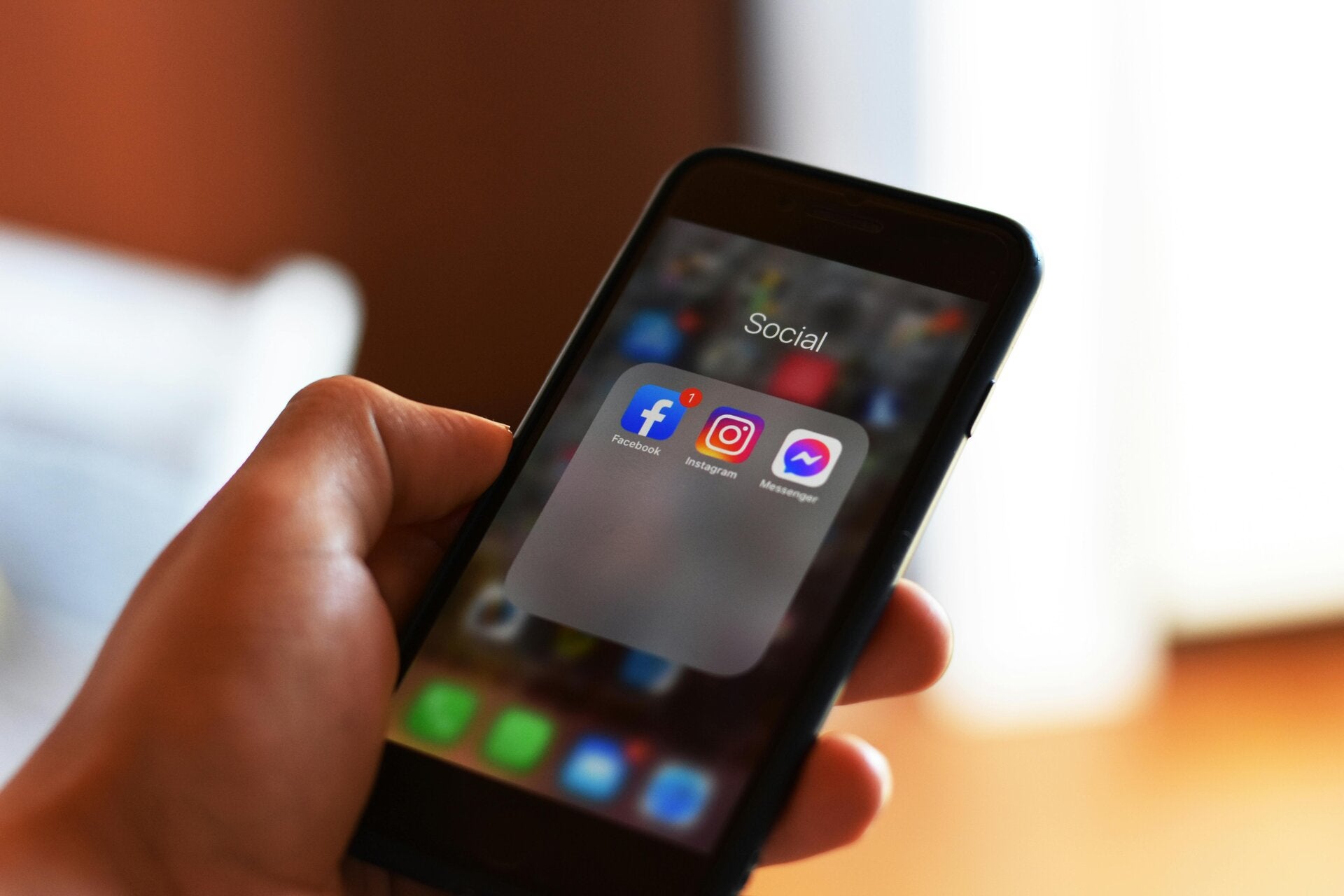
By 12:15 AM: A family member posted on Facebook:
"My mother just died at [Hospital Name] and nobody can tell us why. They won't answer our questions. Something is very wrong here."
Within 2 hours: → 78 comments on the post, many from community members
→ Local news reporter following the thread
→ Hospital's online reputation at risk
→ Staff receiving text messages asking "what's going on?"
→ Potential litigation and regulatory investigation looming

What Crisis IQ Provided
What We Did
The hospital had completed Crisis Response Training with Crisis IQ Partners 8 months prior, including realistic family communication and social media crisis scenarios.
Midnight-3 AM:
- Risk manager activated crisis checklist (kept at bedside for 24/7 access)
- Family liaison nurse assigned (experienced, empathetic, trained)
- Social media monitoring activated
- Clinical team secured medical records and began preliminary review
- Legal counsel and insurance carrier notified
3 AM-6 AM:
- CMO personally called family to express sympathy and commit to transparent investigation
- Posted empathetic (non-defensive) social media response acknowledging family's pain
- Briefed all staff via emergency text system with approved talking points
Day 2-7:
- Shared preliminary investigation findings with family
- Scheduled autopsy with family consent and participation
- Posted second social media update emphasizing transparency and care
- Conducted clinical team debrief and emotional support
- Monitored online sentiment hourly
Measurable Results
→ Facebook post updated by family within 48 hours: "The hospital has been very responsive and caring during this difficult time"
→ Autopsy revealed undiagnosed cardiac condition (not hospital error)
→ Zero litigation filed by family
→ Positive media coverage shifted to "hospital's compassionate response to tragedy"
→ 3.8 to 4.2 rating increase on hospital review sites in following 90 days
→ Staff morale maintained through supported, transparent process
Key takeaway: A robust social media crisis plan is your best insurance against online threats
What began as a potential reputation crisis became a demonstration of the hospital's values under pressure. The family publicly thanked hospital leadership for transparency and compassion. No regulatory action taken. The hospital's community reputation actually strengthened.
"We had practiced this exact scenario in a tabletop exercise. When it happened for real at midnight, our team knew exactly what to do. That training saved our reputation." — Chief Medical Officer
The difference between hospitals that survive crises and those that don't isn't luck. It's preparation and practice.
Contact us today to learn how Crisis IQ Partners can help you build a resilient social media strategy.